
The Evolved Leader
Your companion resource for thriving in feminine-centered leadership.
You don't need to lead like them. Lead like you.
The Journey: From Surviving to Thriving
Surviving
For a long time, the focus for women in leadership has been on simply enduring the challenges and biases – on "surviving". This meant just getting there and coping with the obstacles.
Thriving
The goal is to move beyond just getting there and coping, to actively flourishing and being successful long-term – to "thrive". This isn't a one-time achievement; you don't just arrive once and thrive, but rather continuously invest in thriving over the course of your career.
What Thriving Means
Leading Effectively
Making decisions with confidence and impact
Feeling Fulfilled
Finding meaning and satisfaction in your role
Making Impact
Creating meaningful change while being authentic
The 4 Foundational Pillars
Leadership that scales isn't just about performance; it's grounded in who you are.
Self-Awareness & Identity
Concept:
Self-awareness is not a "soft" skill; it's strategic. It means understanding your triggers, motivators, and default leadership style.
Key Takeaway:
Clarity in = confidence out. Know who you are, and lead from there.
Presence & Influence
Concept:
Influence is about how you hold space, not how much space you take. Your presence sets the tone, particularly in environments where you may be unique.
Key Takeaway:
Presence is your leadership signature. Protect it.
Resilience & Boundaries
Concept:
This pillar is about performing sustainably without burning out. It recognizes that leading without limits leads to "bleeding influence".
Key Takeaway:
Resilience is a system, not a personality trait. Boundaries are structure, not shutdown.
Emotional Intelligence
Concept:
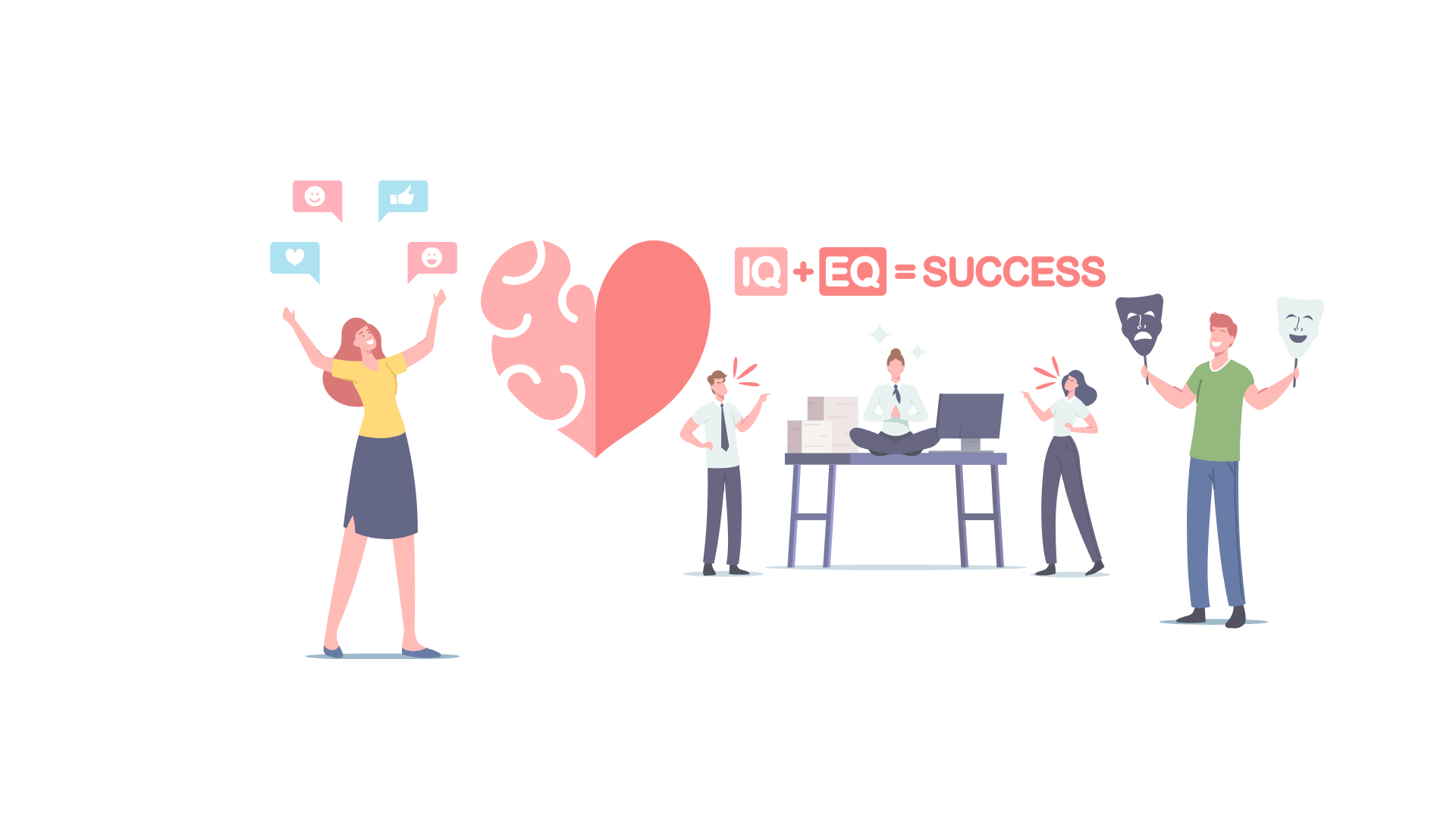
Emotional Intelligence is about leading with clarity and empathy under pressure. It’s staying grounded, reading the room, and responding with intention — not ego.
Key Takeaway:
EQ isn’t about being right — it’s about being in tune. It helps you lead conversations, not control them.
Deep Dive: Pillar Applications
Why it Matters:
Societal "mind models" often define leadership through a masculine lens, creating internal dissonance for women who don't fit this mold. This can lead to a lack of "leader efficacy" – not believing in your ability to succeed as a leader, even if you demonstrate leadership skills.
Applicable Tricks & Tips:
Practice your 2-minute Identity Audit:
Regularly check in with yourself. What are your core values? What gives you energy? What drains it?
Focus on Your Values:
Grounding yourself in your core values can act as an "identity shield" when challenged by stereotypes.
Acknowledge the Mind Models:
Recognize that leadership bias exists in society and potentially yourself. This is the first step to challenging it.

User Case Example:
Just like Alexis Kanda-Olmstead, who demonstrated leadership skills as a young athlete but didn't feel like a leader because her internal image didn't match the prevailing "gendered male" mind model of leadership, women often struggle to internalize their capabilities. By focusing on self-awareness and challenging these mind models, you can bridge this gap and believe in yourself as a leader.
Why it Matters:
Traditional leadership often equates influence with being loud, aggressive, or dominant. Feminine-centered leadership recognizes that a powerful presence can also come from composure, intentionality, and the ability to create a specific atmosphere.
Applicable Tricks & Tips:
Use Your Power Anchor:
Before high-stakes moments, use grounding questions to center yourself and step into your intentional presence.
Focus on Holding Space:
Instead of "performing" or dominating, concentrate on creating an environment where others can contribute and feel heard.
Channel Positive Energy:
Being your authentic self generates positive energy that contributes to your presence and can be infectious.

Why it Matters:
Leadership demands significant energy and navigating conflicting priorities. Women often face additional pressures and expectations, making sustainable practices like setting boundaries critical to avoid burnout and maintain effectiveness.
Applicable Tricks & Tips:
Identify Your Boundary Blind Spots:
What boundaries are you most likely to compromise? Time, saying no, emotional labor, always being available?
Use the "One Line Boundary Builder":
Have sentence starters ready to assertively hold space without apology.
Invest in Your Best Self:
Making time for yourself is not a waste of time. It's an essential investment in your sustainability.

Why it Matters:
Emotional intelligence is your strategic tool for leading with composure, shifting the energy in the room, and influencing without force. It helps you stay grounded under pressure, navigate tough conversations, and build trust quickly. Ultimately, it’s what makes your leadership land, last, and lift the people around you.
Applicable Tools and Practices:
Use assertive yet emotionally intelligent language.
Example phrases:
- “Here’s what I’m observing — let’s work through this together.”
- “I understand this is tough — let’s take it step by step.”
Assume positive intent.
When tension arises, pause and ask:
- “What else could be going on here?”
This helps defuse conflict and shift to problem-solving.
Regulate before reacting.
Breathe. Name the emotion. Respond in alignment with your leadership style, not the moment’s pressure.
Lead with authenticity.
Bring your full self into the room — aligned in tone, words, and energy. Authenticity builds emotional connection and long-term trust.
Real-World Example:
A female military leader took over a team with high resistance. Initially, she led with pressure and control — and it backfired. Her leadership was dismissed, and her voice was compared to a maternal figure in conflict: “When you yelled, it felt like my mother yelling at me.”
She changed her approach. She focused on morale, human connection, and making the team’s environment more bearable. As she prioritized the people, performance naturally improved. Respect was earned — not demanded.
This shift is the essence of emotional intelligence: seeing the human behind the role, and choosing empathy over ego.
Overarching Principles for Thriving
Beyond the pillars, several principles underpin thriving leadership for women
Balance is Key
Great leaders have a balance of traditionally masculine and feminine qualities. We need to teach more of the feminine qualities to all leaders.
Focus on the People
Making leadership about the people is incredibly powerful. When you focus on their well-being and engagement, they will often take care of the performance and metrics.
Embrace Courage
Fear is a real barrier. Building courage involves acknowledging when you don't know, choosing battles strategically, and taking small brave actions.
Sponsorship vs. Mentorship
Mentorship involves sharing ideas. Sponsorship is using your political capital to help somebody else. Those in power must sponsor people who don't look like them.
Challenge Mind Models
The "riddle" persists because leadership is seen through a gendered lens. We must actively challenge these models in ourselves and others.
Focus on Equity
Moving the needle requires focusing on equity – ensuring fair and equitable work environments, opportunities, and outcomes across all dimensions.
Continuing Your Journey: Action and Reflection
Becoming an evolved leader is an ongoing process. Use these pillars and principles to reflect on
Reflect
Which pillar resonates most with you right now? Which is the biggest challenge?
Apply
Choose one small action from one pillar or principle to focus on this week.
Seek Support
Identify someone in your network you can ask for help or who can offer mentorship or coaching.
Be Bold
Challenge a stereotype or limiting mind model, either in yourself or by speaking up.
Lead like you
– authentically, strategically, and with impact.
Ash & Ali's Select
Continue your learning journey with these curated resources
Audio Discussion
The Ash & Ali Edits - Deep dive into leadership insights
Video Resource 1
Leadership strategies and practical applications
Video Resource 2
Advanced leadership techniques and case studies